
CO2
CO2
Carbon Dioxide
Carbon dioxide (CO2) plays a dual and crucial role in the commercial food and beverage sector. Its first application is to impart effervescence through the carbonation of both soft drinks and fermented beverages such as beer. Secondly, and equally vital for efficient service, pressurized CO2 acts as the propellant gas in draft beverage systems, ensuring the smooth and controlled delivery of kegged products to the point of dispense (the tap). This controlled pressure is key to maintaining product quality and operational efficiency.
Usage Types
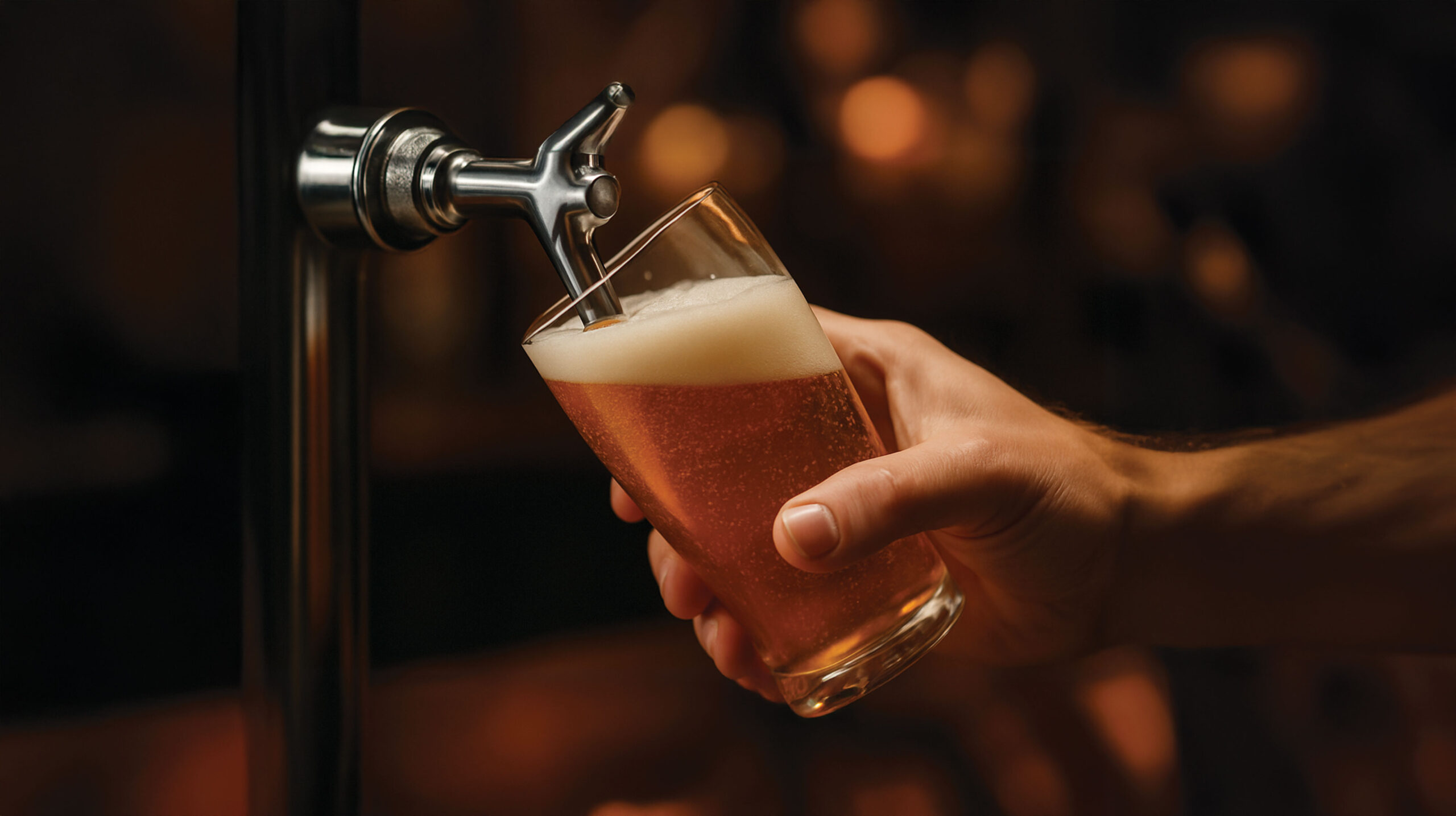
Bars rely on carbon dioxide (CO₂) gas as part of their draft-beer setup. The kegs themselves don’t have enough natural pressure to push beer up through the lines to the tap, so bars connect each keg to a cylinder of compressed CO₂.
That gas does two main jobs at once:
Dispensing pressure: it pushes the beer out of the keg, through the beer lines, and out of the tap without letting air get in (air would make the beer go flat or spoil quickly).
Carbonation and foam: it keeps the beer fizzy and helps form the foamy head when poured, which is essential for both taste and presentation.
Essentially, every time you see a pint being pulled from a tap in a bar, there’s a CO₂ tank in the back quietly powering the pour.

Mosquito-control traps often rely on carbon dioxide (CO₂) gas to attract biting insects. These devices release a gentle, steady flow of CO₂ that mimics human breath—the main cue mosquitoes use to locate people.
That’s where our role comes in: we supply the CO₂ canisters that keep these machines running efficiently.
Reliable CO₂ supply: our canisters provide the consistent gas flow the trap needs to lure mosquitoes effectively.
Safe and convenient: easy-to-use cylinders designed to fit most mosquito-control units for hassle-free replacement.
Essentially, our CO₂ canisters power the device’s attraction system, helping make mosquito control cleaner and more effective.
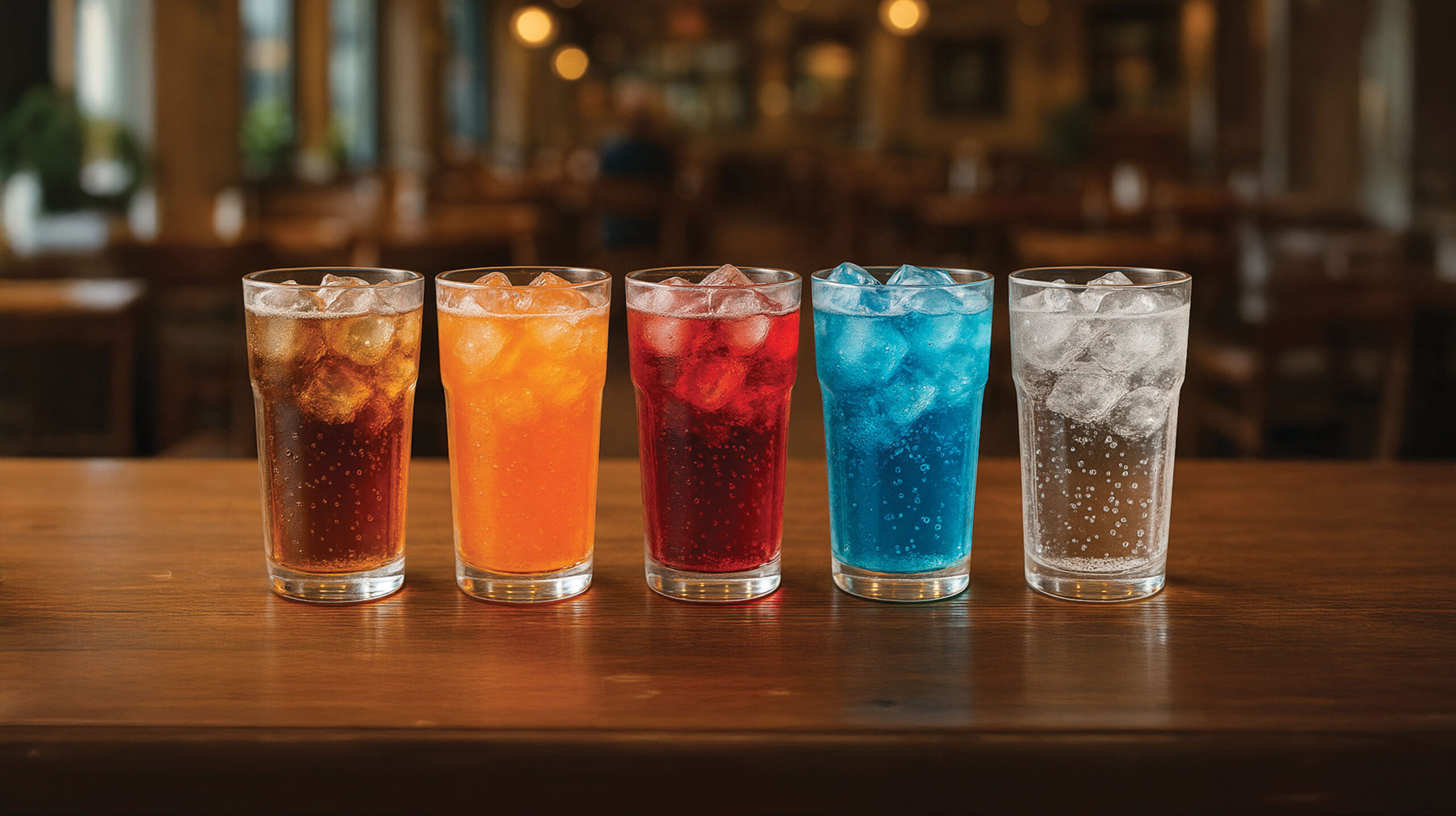
Soft drink and soda makers rely on carbon dioxide (CO₂) gas to create the bubbles that give these drinks their fizz and crisp bite. The liquid is chilled and infused with CO₂ under high pressure, locking the gas into the beverage until it’s opened.
That gas does two main jobs at once:
Carbonation: it creates the signature bubbles and effervescent mouthfeel that make sodas lively and refreshing.
Preservation: it helps maintain freshness by keeping oxygen out and slowing down spoilage.
Essentially, every can or bottle of soda is holding CO₂ under pressure, waiting to release that burst of fizz when opened.